The Italian bar stool dilemma
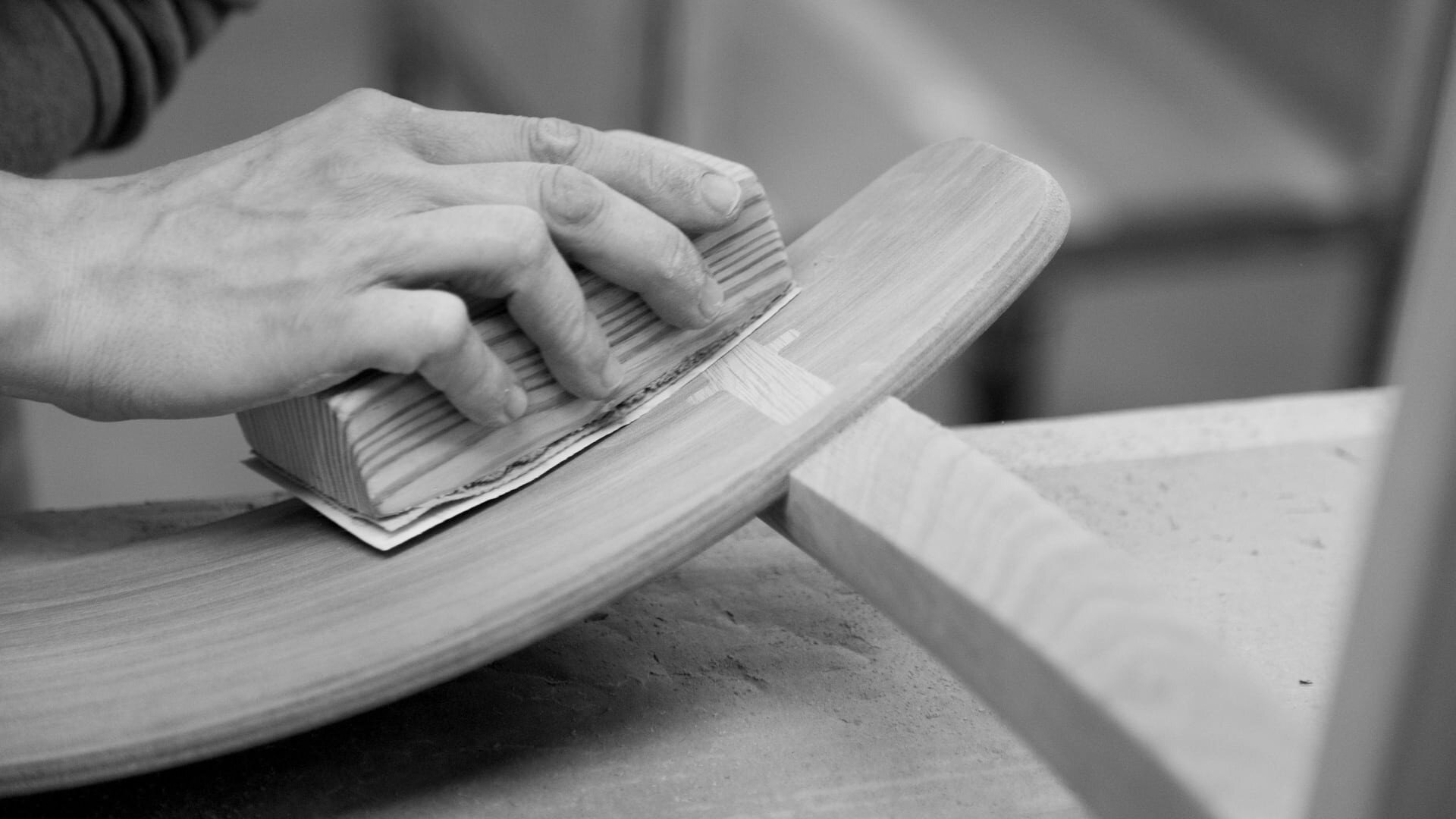
Perceived value, the craft we can’t see, and some very expensive stools.
It was 2015, maybe early 2016. I was sitting holding a glass of red wine in a cellar door in McLaren Vale while pitching a website to a well-known South Australian winery.
The winery was a hundred percent direct to consumer. No retail, no distribution. The whole business ran on a loyal membership club and people who drove to the cellar door on a weekend. I’d built a few of these digital platforms by then, including an ecosystem for Hentley Farm that transported the feeling of its Barossa tasting room to members, wherever they were.
I knew the shape of the problem and knew I had a strong solution. We’d give people who’ll never make it to McLaren Vale a digital experience as close to the cellar door as possible, and strengthen the club and its membership. This would be a bespoke solution built on open source, with a lot of attention to detail. I pitched the idea with the conviction that it would increase direct sales. The price… around $40K all up.
Post pitch… an audible exhale, followed by a reference to a friend who ran an e-commerce business and had just recently gone with an ‘off-the-shelf’ solution. $5-8K, all in. “Why was mine five times that?”
Irony. Frustration?
The client and I had only just finished a rich and deep discussion about how important ‘experience’ is. We’d discussed how much of their business success depended on nurturing a taster into membership. We’d focused on the lengths we needed to go to to make the time a visitor spent at the cellar door… meaningful.
To land this point the owner had asked me if I liked the seat I was sitting on. I said yes, because I did. She told me they’d searched high and low for that stool. She impressed upon me that it wasn’t just any stool, but a stool that suited the room and amplified the ‘feeling’ she wanted people to have while they tasted their wine.
Her passion was real and the stools were gorgeous. “Handmade, ordered from a vendor in Italy,” she said. She then went on to reveal that the set of stools had cost her business about three times as much as the website I had just pitched would cost. My head was swimming. I thought I’d been describing a digital solution that matched her vision, only mine on a screen.
I thought we shared an ambition, but it was clear that our gap in understanding was a chasm.
The truth is that I understood her position and loved her passion. And I don’t necessarily disagree with the price of the stools. They were pretty nice stools, and ‘experience’ is what turns the taster into the member. The strategic imperative of spending real money on the ‘feeling’ of a space is a sound instinct.
But that is where our alignment ended.
A website is a space too. For everyone who isn’t in McLaren Vale or unable to get there, a website is the cellar door, and sometimes the only door they are likely to pass through. It was also the line of revenue the club ran through, every sale, renewal and member subscription. It had become apparent to me that the instinct that drove this client to Italy for some very nice stools, and to customer experience at the coal face, did not extend to digital.
What this owner couldn’t see, even with the best of intentions, was ‘craft’.
Craft exists in the production of a digital experience too, even if you can’t see it. While it’s easy to see the joinery in a stool, it’s harder to see the care in a checkout that never makes someone stop and think, or a CX strategy as smooth as an old-vine Grenache. You can’t ‘feel’ or ‘touch’ ingrained digital quality, so it’s often disregarded, the crafted version dismissed as simply the more ‘expensive’ one. A stool is just a stool, right?
I acknowledge my position is hardly neutral, because I design websites for a living. And sometimes off-the-shelf is right. But the problem was, as it often is, that the cheaper option was not just cheap, it was generic. Whether it be a business, a club, a membership or a unique customer experience, the inconvenient truth is that when, for the sake of cost, you try to bend generics to fit distinctiveness, things break, or at the very best become a blunt instrument.
It’s over a decade later as I write this. It has never been cheaper or faster to build something that looks like the real thing, which makes the crafted version even harder to argue for. If anything, the chasm is now wider. But in a world where differentiation matters more than ever, and the front door to so many businesses is a digital one, digital shouldn’t be something businesses invest in merely to exist. It should be how they become distinctive in a homogeneous digital world.
In the end this winery went with the ‘off-the-shelf’ option. They rebuilt it two or three times over the next few years, chasing the club and subscription features the cheap version couldn’t accommodate, paying for development again each time. And it became very expensive and clumsy, of course, unlike their wines or their cellar door.
But the stools are still there. I’ve sat on them since. They’re lovely.

